
It Runs In The Family
Kurukahveci Mehmet Efendi celebrates 155 years
Text and Photography by Ebru Eltemur
On what is possibly the longest standing corner of Eminönü, Kurukahveci Mehmet Efendi guards the entrance of the Egyptian Bazaar. From a mile away, you can smell the earthy and velvety aromas of fresh Turkish coffee being packaged and brewed. Mehmet Efendi is considered the quintessential brand for Turkish coffee - the most perfect specimen. That perfection does not come from an illusion, but from a history of expertise, technique and culture. This year, the house celebrates 155 years in business.
Mehmet Efendi’s roastery was founded in 1871, when Türkiye was still within the auspices of the Ottoman Empire. At the time, coffee was sold in its raw bean state. Consumers would have to roast it in a special pan and grind their own beans at home. When Mehmet Efendi took over his father’s spice shop, he decided to innovate the product, lessen the steps needed for preparation and make coffee accessible to a larger audience. After almost 50 years at the helm of his own company, he passed away in 1931. The coffee house was taken over by his three sons: Hasan Selahattin, Hulusi and Ahmet Rıza. Soon after, the new Turkish Republic passed the surname law, which mandated that each family takes on an official last name, instead of utilizing the suffix “-oglu” to define paternal ancestry. Thus, the family took on “Kurukahveci” as their surname, making their father’s legacy a part of their future.
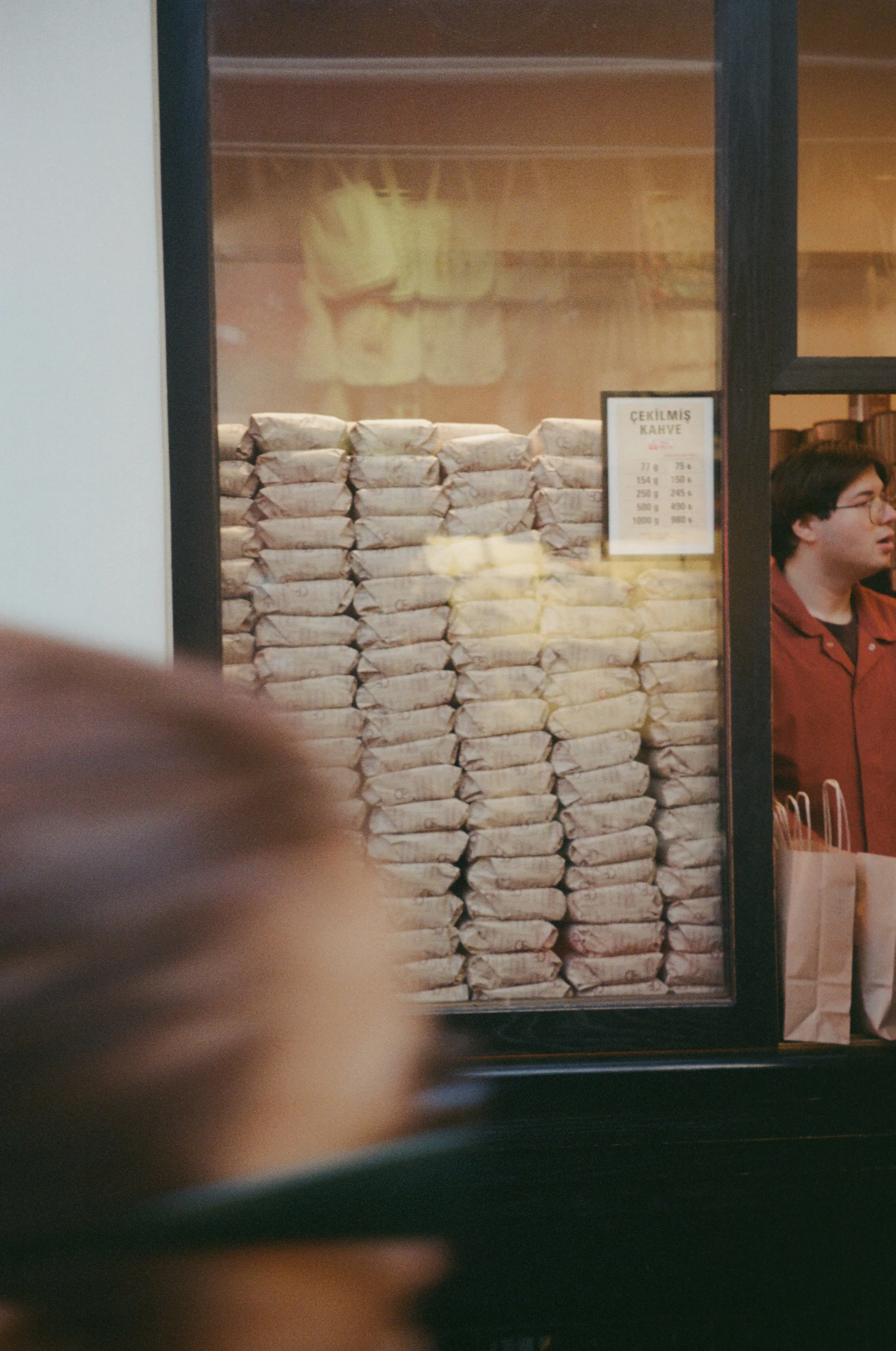
In 1932, the infamous logo, which is still used today, was designed by İhap Hulusi Bey. With technological advancements, the family was able to produce and package more coffee, and thus, sell more. At this stage, Ahmet Rıza, the youngest son of Mehmet Efendi, used his higher education and interest in marketing to elevate their packaging and invest in advertising campaigns. He introduced the company’s iconic paper bags, which allowed the coffee to be prepackaged and distributed to grocery stores with their own couriers.
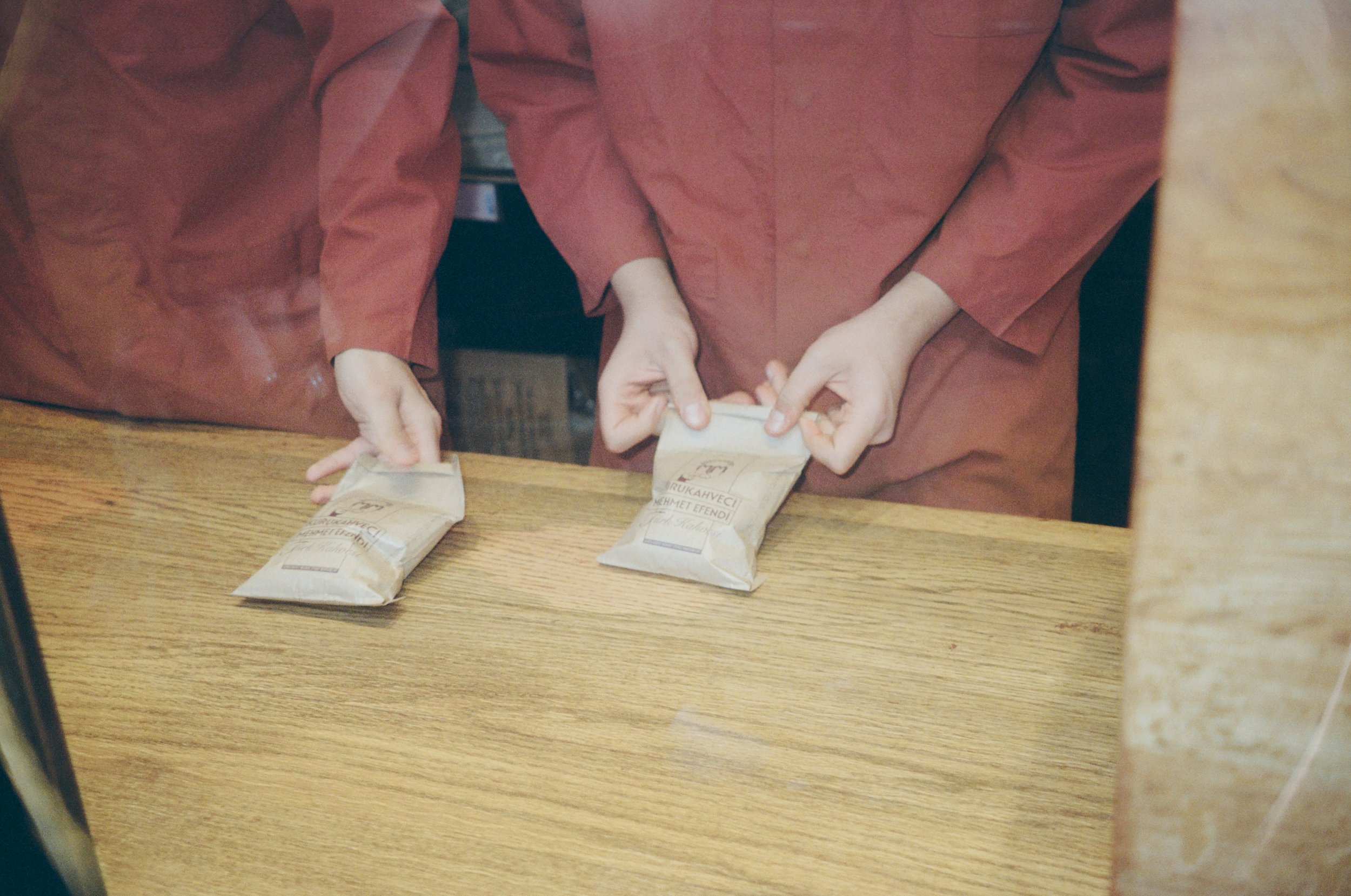
In the 1990s, developments in air logistics and packaging allowed the company to open up to new markets abroad. The company switched some of its packaging to foil material, allowing for the coffee to keep fresh for longer, an important development in transforming the product to become an international commodity. Following shortly in 1992, the first bag of Kurukahveci Mehmet Efendi coffee was exported.
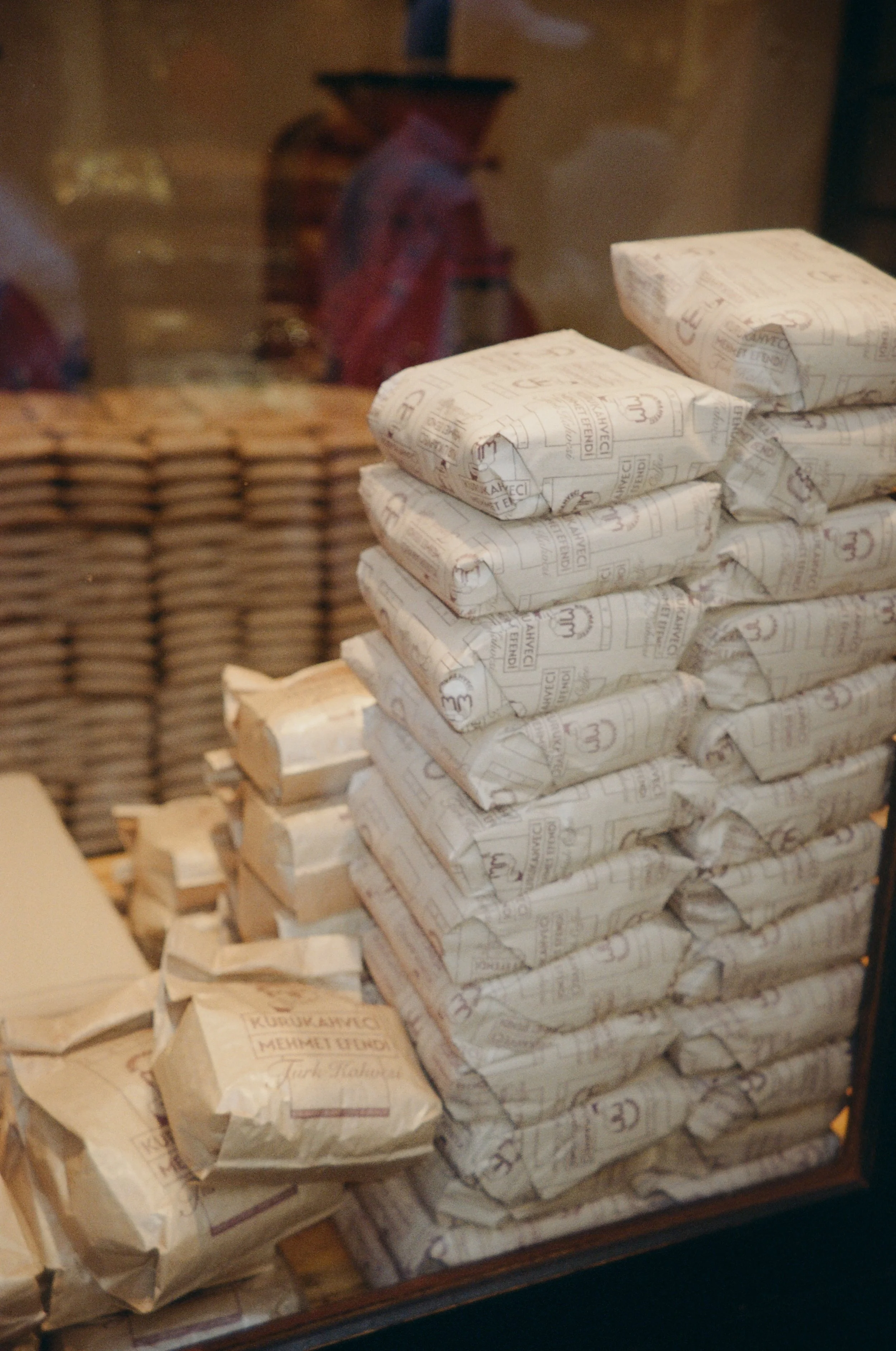
Over centuries, the Kurukahveci family has made remarkable contributions to the cultural legacy that Turkish coffee retains today. In a way, they have become synonymous with their product. While growing, the company has never lost its essence of artisanship and exceptional quality. Still, the shop exists in its original layout, situated within the most historical neighborhood of Istanbul.
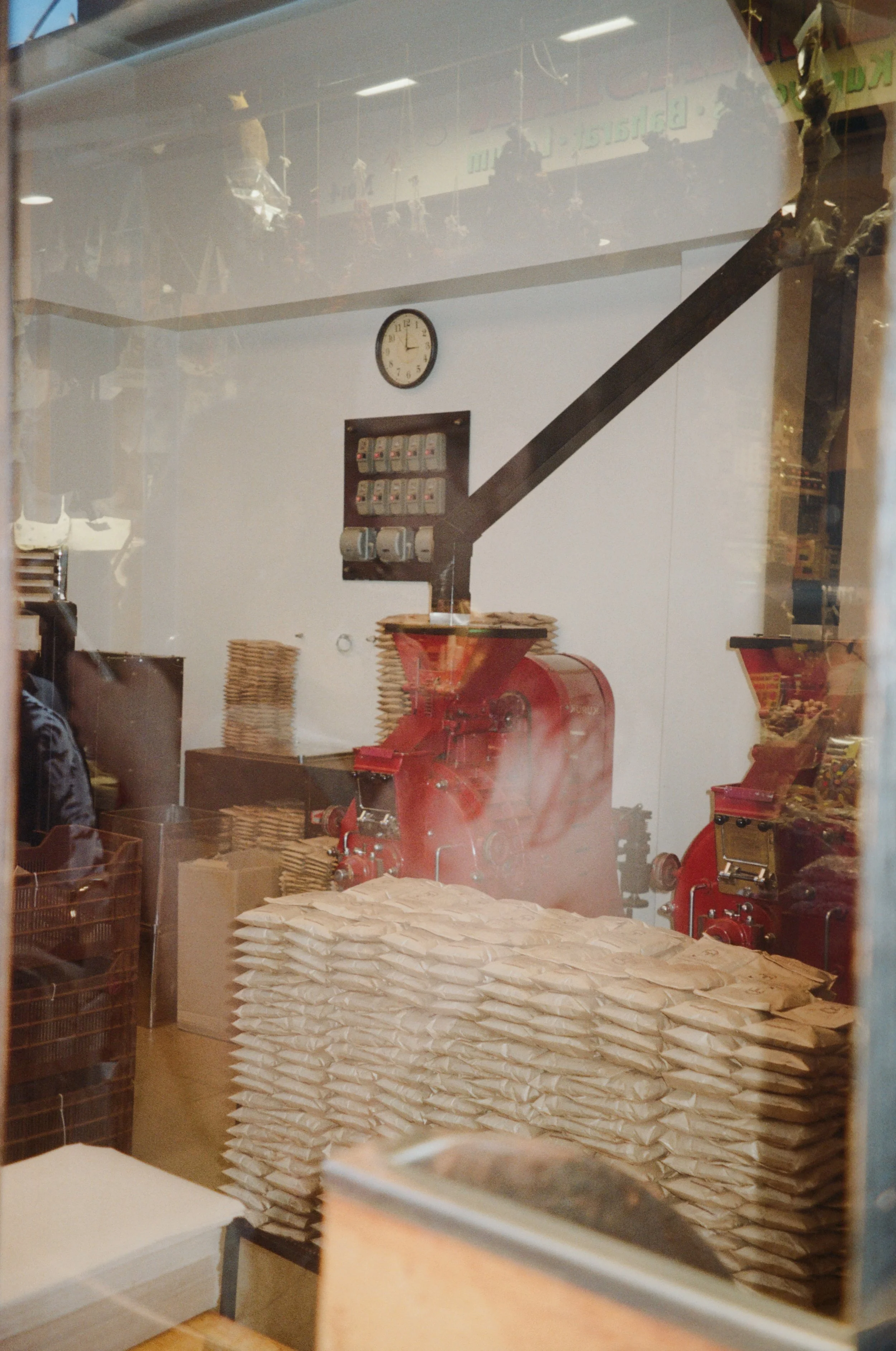
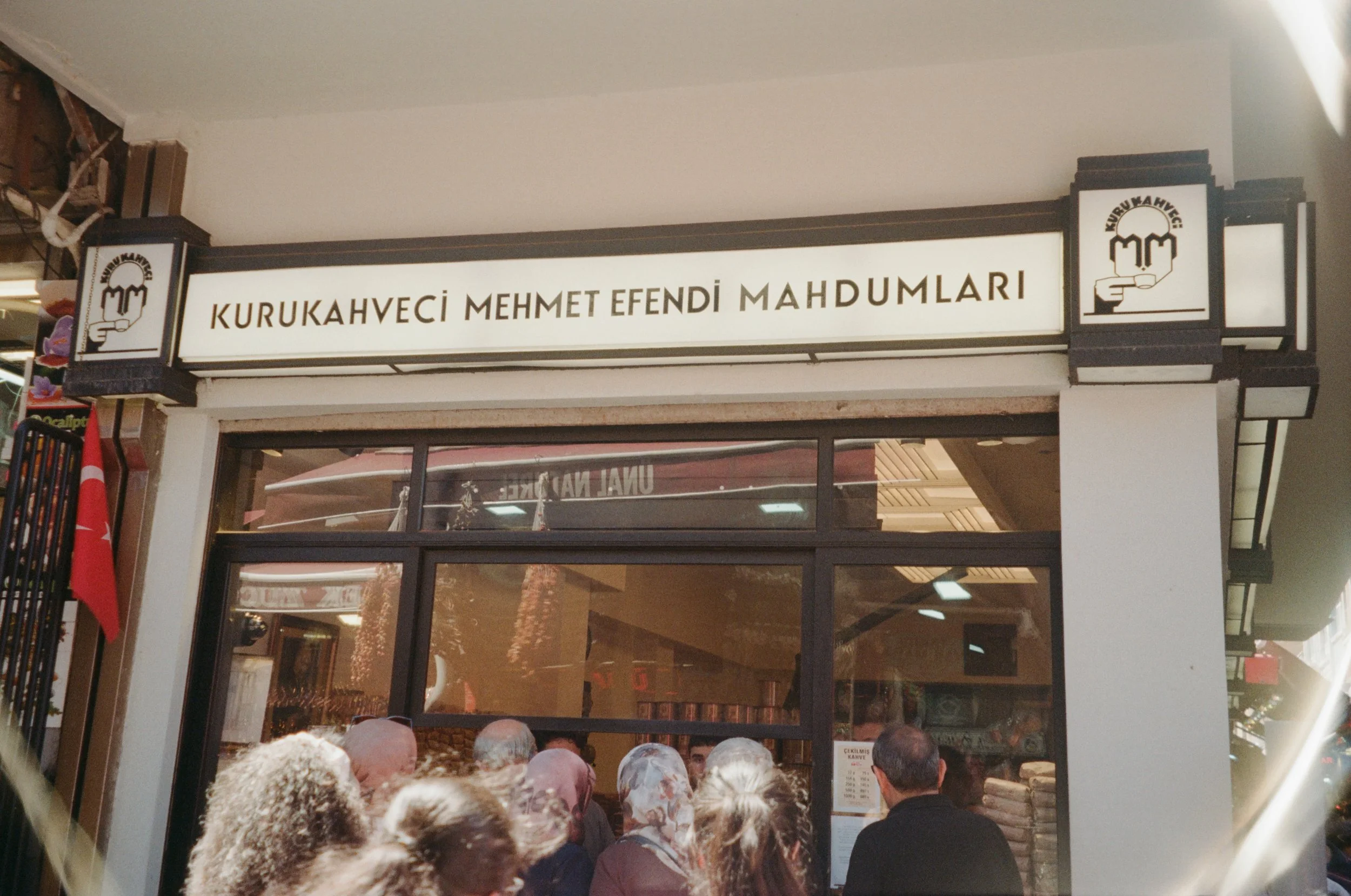
Today, Mehmet Efendi’s coffee is exported to 60 countries across the world. The legacy continues to live on the corner on which Mehmet Efendi himself roasted and ground his first batch of coffee. A large barrel grinder, made from the body of an old cannon, is still in use today. If you are standing in line on Tahmis Street, you can watch the roasters pack the grounds in perfect choreography, while patiently waiting to get your hands on your own little bag of coffee.
FOOTNOTES
The literal translation for Kurukahveci is “dry coffee maker”.
Before the surname law, an individual was given their father’s name as an indicator of their lineage. I.e.: the last name Ahmetoglu would mean “The son of Ahmet”.